Why do you need Flood insurance?
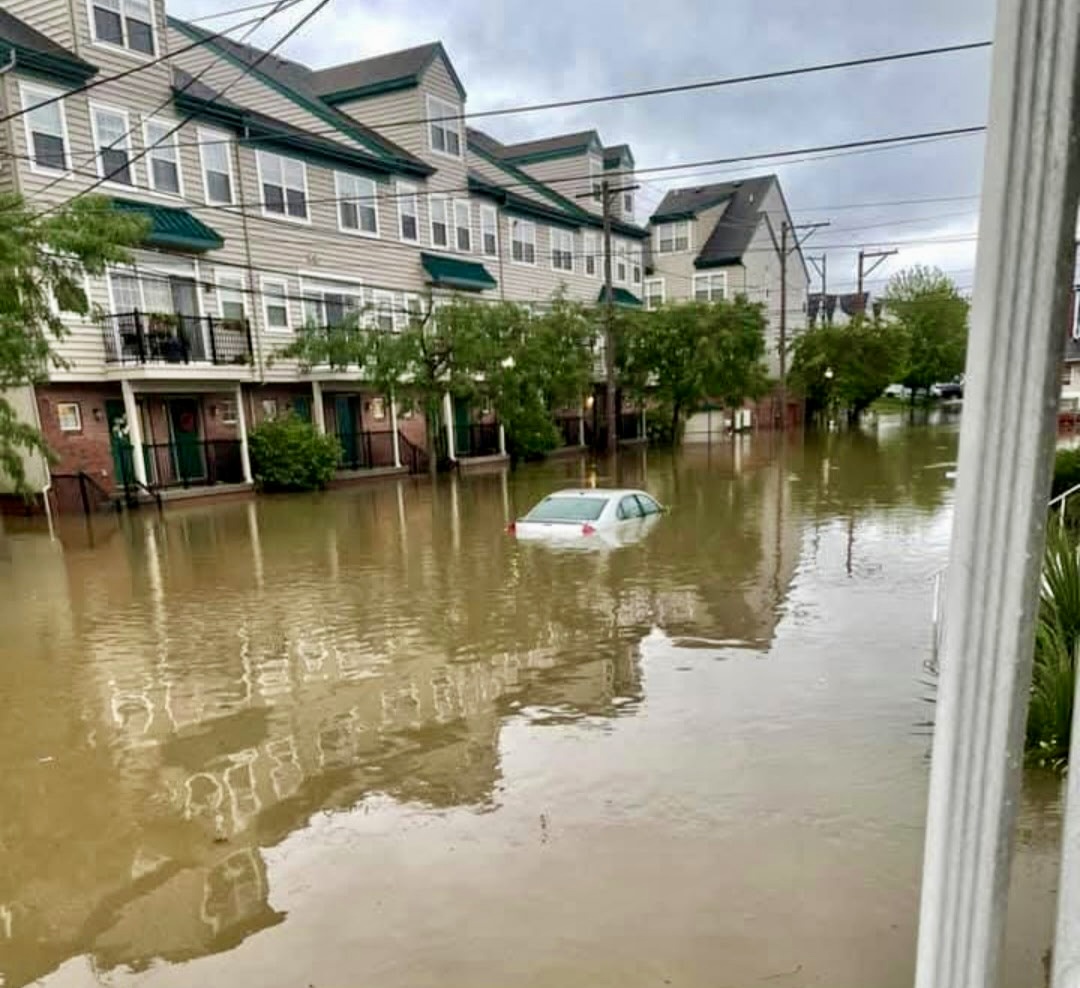
Floods can cause significant damage to your property, and standard homeowners insurance typically does not cover flood damage. A Flood insurance policy is designed to help protect your home and belongings from the devastating effects of flooding.
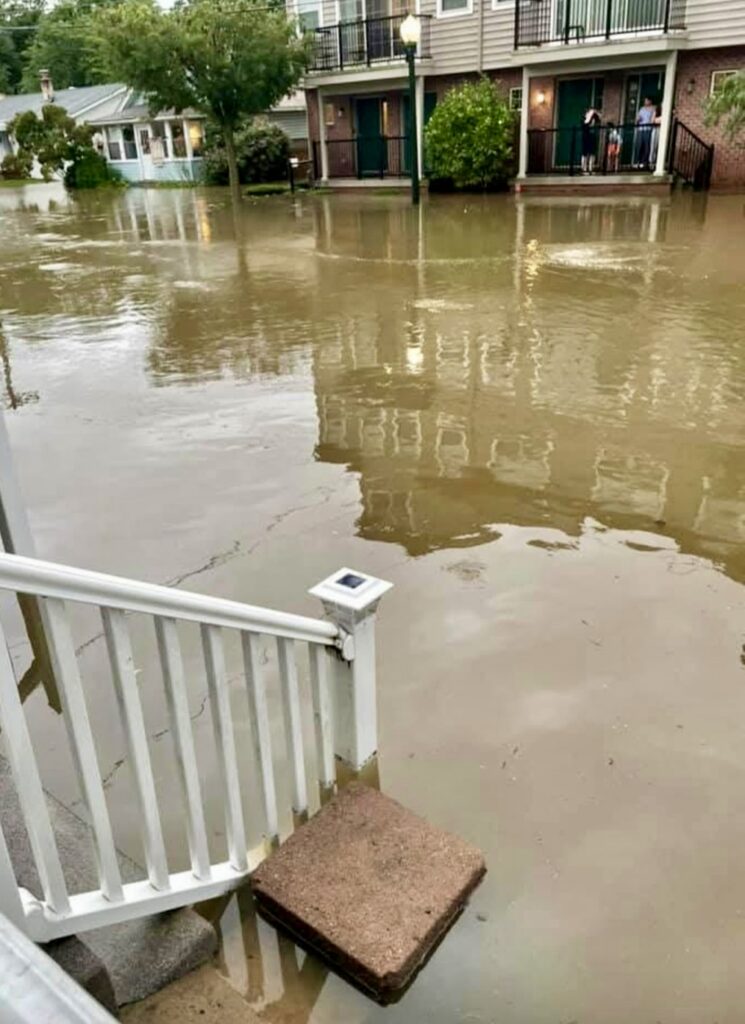
Learn more
What is Flood Insurance?
Flood insurance is a specialized insurance policy designed to cover damages caused by flooding. Here’s some key information:
- Coverage: Covers damage to your home or property and personal belongings caused by floods.
- Types of Flood Insurance: You can opt for building coverage, contents coverage, or both.
- Eligibility: Flood insurance is available to homeowners, renters, and businesses in flood-prone areas.
- Cost: The cost varies based on the location, size of the property, and type of coverage.
- National Flood Insurance Program (NFIP): The National Flood Insurance Program is a government program that provides federally backed flood insurance and aims to reduce the risk of flooding. It was created by Congress in 1968 and is managed by the Federal Emergency Management Agency (FEMA). To gain access to flood insurance, communities must adopt and enforce floodplain management regulations to protect lives and reduce future flood damage.
Our services
Flood Insurance from the NFIP
Flood insurance from the NFIP (National Flood Insurance Program) is a program that provides coverage for flooding to properties in participating communities, sold through licensed insurance agents. It protects against physical damage to buildings and their contents, with coverage limits and payout structures that vary by property type. The NFIP is the insurance arm of the Federal Emergency Management Agency (FEMA).
Private market Flood Insurance
Private market flood insurance is flood coverage offered by private companies as an alternative to the National Flood Insurance Program (NFIP). It can offer advantages like higher coverage limits, more flexible and customized policies, and uninterrupted coverage that isn’t subject to government shutdowns. However, private insurance policies can sometimes cost more or offer less coverage, depending on the insurance provider.
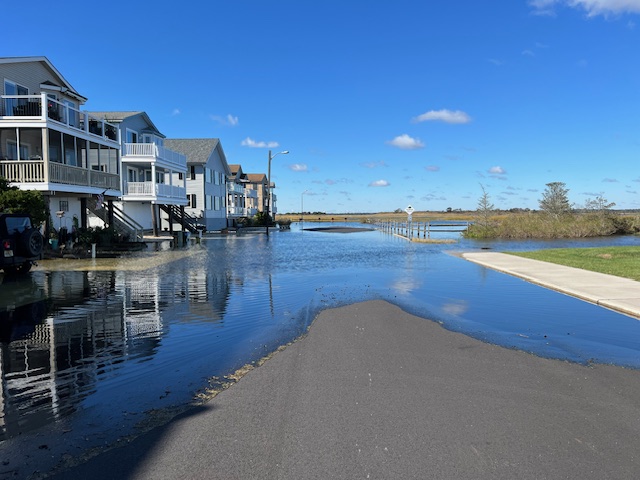
Flood disaster resources
The NFIP provides flood disaster resources through publications, online tools, and guides to help policyholders, agents, and communities. Resources include the FEMA Flood Map Service Center, where you can find your flood risk and official maps. Additionally, Floodsmart.gov provides resources for before, during, and after a flood, including survivor checklists, a claims handbook, and guides on appeals and financial recovery.
About us
Homeowner“I didn’t realize my home insurance would not cover a loss in my basement caused by flooding from a nearby creek!”
Downingtown, PA
AllFlood.com is operated by a National Flood Insurance Program (NFIP) appointed Independent Insurance Agent located in Southeastern Pennsylvania, specializing in comprehensive flood insurance solutions. Since 1988, this agent has developed expertise in navigating the complexities of the NFIP and private market options. By helping clients across Pennsylvania, New Jersey, and Delaware, AllFlood.com is chosen for its reliable resources and personalized service, ensuring that customers find the best coverage tailored to their specific needs.
Pricing
To be eligible for NFIP coverage, a building must meet the following criteria:
- Be located in a community that participates in the NFIP. These are buildings situated within towns or cities that have chosen to join the National Flood Insurance Program (NFIP).
- Cannot be entirely over water, if constructed on or after October 1, 1982.
- Be affixed to a permanent site.
- Have two or more rigid exterior walls and a fully secured roof.
- Be capable of resisting flotation, collapse, and lateral movement.
- Have at least 51% of its Actual Cash Value (ACV) located above ground level.
In addition, manufactured (mobile) homes and travel trailers must also:
- Be anchored to a permanent foundation, such that wheels and axles do not support the structure’s weight, using over-the-top or frame ties to ground anchors per the manufacturer’s specifications or in compliance with the community’s floodplain management regulations.